 how-to
How to Upgrade Your Vehicle Frequently
Table of Contents
- When to Upgrade Your Vehicle
- Assessing Your Current Vehicle's Condition and Reliability
- Setting a Budget and Planning Upgrade Costs
- Trading in a Car With a Loan
- Understanding Negative Equity in Car Loans
- Leasing vs Financing a Car for Frequent Upgrades
- Maximizing Your Vehicle's Trade-In Value
- Conclusion
- Frequently Asked Questions
Last Updated: October 21, 2026
When to Upgrade Your Vehicle
Knowing when to upgrade your vehicle depends on several interconnected factors. Your current vehicle's age, mileage, reliability, and your evolving driving needs all play a role. The decision isn't always about waiting for a breakdown, it's about timing an upgrade strategically.
Many vehicle owners wait too long. They keep driving until repairs become frequent and expensive. By then, they've missed the window for a favorable trade-in value. A better approach is to assess your situation proactively before problems pile up.
Consider these signals that an upgrade might make sense:
- Your vehicle is 8-10 years old or has over 150,000 kilometers
- Repair costs are climbing and becoming unpredictable
- You need features your current vehicle doesn't offer
- Your driving habits have changed significantly
- Your vehicle no longer meets your lifestyle needs
At Ontario Drivez, we work with people who are ready to move forward. Whether you're upgrading to something newer or simply changing vehicles, we help you navigate the financing side with flexible payment plans and transparent terms, regardless of your credit history.
The key is recognizing that upgrading your vehicle frequently, rather than driving one car into the ground, can actually make financial sense when you plan ahead.
Assessing Your Current Vehicle's Condition and Reliability
Before you upgrade your vehicle, take an honest look at its current state. A vehicle in good working order will command better trade-in value. One that's visibly worn or unreliable won't.
Start with the basics. Check your tires for tread depth and uneven wear. Look at your brakes, listen for squeaking or feel for soft pedal response.
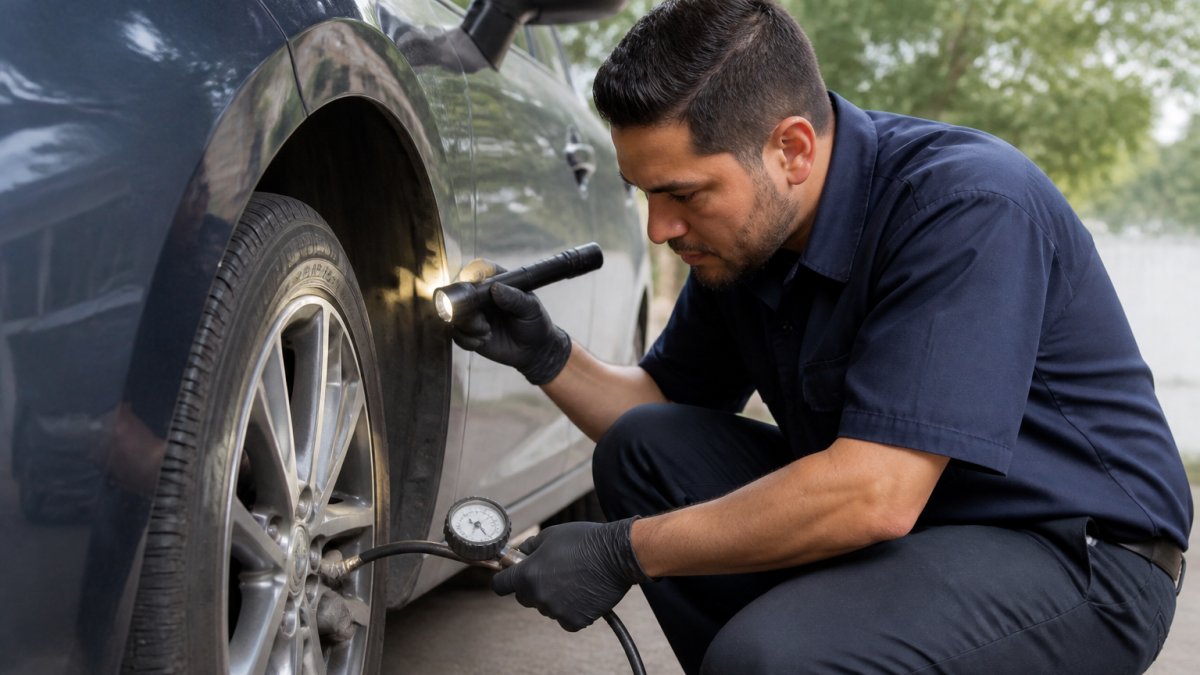
Beyond visual inspection, consider your repair history. How often have you visited the mechanic in the past year? Are the same issues recurring? A vehicle that needs constant attention is signaling that an upgrade might be timely.
Reliability matters because it affects your daily life and your safety. A vehicle you can't trust strands you when you need it most. It also costs money in unexpected repairs.
Ask yourself: Would I feel confident driving this vehicle 500 kilometers on the highway? If the answer is no, an upgrade to your vehicle is probably worth exploring.
Setting a Budget and Planning Upgrade Costs
Upgrading your vehicle frequently requires a realistic budget, but the budget that matters is not the monthly payment, it is the total cost of ownership across the years you plan to keep each vehicle.
Start by building a total cost of ownership (TCO) worksheet for each candidate vehicle. Include:
- Purchase price or capitalized lease cost, plus taxes and licensing
- Financing interest over the term
- Insurance premiums (get a quote before you commit, rates vary widely by vehicle)
- Fuel or charging costs based on your annual kilometers
- Routine maintenance (oil and filter changes, tire rotation, brake service, cabin and engine filters)
- A repair reserve for out-of-warranty years
- Depreciation, or for a lease, the residual and any excess wear charges
- Registration and licensing fees
Then run the same worksheet for two scenarios: keeping the current vehicle another four to six years versus upgrading every two to three years. A common pattern is that frequent upgraders pay more in depreciation and financing but less in repairs and downtime; long-keepers pay less in depreciation but more in maintenance and unexpected failures.
Budget for the upgrade itself, not just the vehicle. Frequent upgraders should set aside a separate fund for:
- Down payment or lease inception costs
- Trade-in gap coverage if you have negative equity
- The first year of insurance on the new vehicle, which is often higher than the old one
- A contingency for the first repair after warranty expires
If you can set aside a fixed amount monthly, treat it as a line item like rent or utilities. Even modest, regular contributions build the flexibility to upgrade on your schedule rather than the lender's.
Finally, be honest about income variability. If your earnings fluctuate, size the payment against your lowest reliable month, not your best one. A budget that only works in a good month is not a budget, it is a bet.
Give the Ontario Drivez team a call to help you achieve your goals. Give us a call at 647-467-3822 or visit us online at ontariodrivez.com.
Trading in a Car With a Loan
Trading in a vehicle you still owe money on is common, but it requires careful handling. When you trade in a car with a loan, the dealership or lender pays off your existing loan from the trade-in value. If your trade-in is worth more than you owe, the difference becomes your down payment on the new vehicle.
The process works like this:
- Get your vehicle appraised to determine its current trade-in value
- Contact your current lender and ask for your payoff amount
- Compare the two numbers, trade-in value minus payoff amount
- If there's a positive difference, that's your equity to apply toward a new purchase
- If the payoff exceeds the trade-in value, you have negative equity (discussed in the next section)
When you upgrade your vehicle and still have an outstanding loan, timing matters. Trading in earlier, when your vehicle has better resale value, gives you more equity to work with. Waiting until your vehicle is older or has higher mileage reduces what you can get for it.
One common mistake is underestimating how much you still owe. Always get the exact payoff figure from your lender before negotiating a trade-in. This prevents surprises at the dealership.
Understanding Negative Equity in Car Loans
Negative equity happens when you owe more on your vehicle loan than the vehicle is currently worth. This creates a problem when you want to upgrade your vehicle.
Here's how it develops: You buy a vehicle for $25,000 with a loan. After three years, the vehicle's market value has dropped to $18,000, but you still owe $20,000. You now have $2,000 in negative equity.
If you want to upgrade your vehicle at this point, you face a choice:
- Pay the difference out of pocket before trading in
- Roll the negative equity into a new loan (not recommended, you start underwater again)
- Wait longer for your loan balance to drop closer to the vehicle's value
Negative equity is most common in the first few years of vehicle ownership, when depreciation is steepest. It's also more likely if you made a small down payment or financed a vehicle above market value.
To avoid negative equity, make a substantial down payment when you first purchase. This builds equity faster. Also, keep your vehicle well-maintained, better condition means better resale value.
If you're already in negative equity and want to upgrade your vehicle, the honest path is to either wait or cover the gap yourself. Rolling negative equity into a new loan extends your debt and increases the total interest you'll pay.
Leasing vs Financing a Car for Frequent Upgrades
When you upgrade frequently, the lease-versus-finance decision is really a question about how you want to exit each vehicle. The useful angle is the exit mechanics, what it costs to walk away, and when.
Leasing is built for a fixed cadence. You drive a new vehicle every two to three years, warranty covers most repairs, and the residual value risk sits with the lessor.
Financing builds equity, but the equity curve matters more than the label. In the first year or two, depreciation usually outpaces principal repayment, so your equity is negative or near zero. By year three or four, the curves typically cross and you have positive equity to roll into the next vehicle.
A practical way to compare the two for a frequent-upgrade plan:
- Estimate the vehicle's value at the end of each candidate holding period (two, three, four years).
- Compare that value to the loan balance or lease residual at the same point.
- Add the cost of exiting, payoff, disposition fee, excess wear, or early-termination charge.
- Divide total cost by months held to get a true monthly cost of ownership for that cadence.
The cadence with the lowest true monthly cost is usually the one where your equity turns positive just as the warranty is expiring. That is not a coincidence, it is the point where the manufacturer has priced the residual to protect itself, and where your repair risk begins to rise.
One more consideration frequent upgraders often miss: insurance and registration costs reset with each new vehicle, and a newer vehicle typically carries a higher premium. Factor that into the cadence comparison, not just the payment.
Give the Ontario Drivez team a call to help you achieve your goals. Give us a call at 647-467-3822 or visit us online at ontariodrivez.com.
Maximizing Your Vehicle's Trade-In Value
When you're ready to upgrade your vehicle, its trade-in value determines how much equity you have to apply toward the next purchase. A few practical steps maximize what you'll receive.
Clean and detail your vehicle. Wash the exterior, vacuum the interior, and clean the windows. A vehicle that looks well-maintained commands more respect and higher offers. Dealerships make snap judgments, and appearance matters.
Document your maintenance history. Keep records of oil changes, tire rotations, filter replacements, and any major work. Buyers trust vehicles with documented care.
Address obvious issues before trading in. Replace worn wiper blades, fix broken interior trim, and patch small dents if they're inexpensive.
Get multiple appraisals. Don't accept the first offer. Visit different dealerships or use independent appraisers. Competition drives up the offer. You might discover one dealer values your vehicle significantly higher than another.
Time your trade-in strategically. Upgrade your vehicle when it still has decent mileage and condition.
Be honest about the vehicle's history. Disclose accidents, previous repairs, and any mechanical issues. Dealers will discover these anyway through inspection, and honesty builds trust. It also prevents deals from falling apart after you've committed.
Conclusion
Upgrading your vehicle frequently is possible when you approach it strategically. Start by assessing your current vehicle's condition and reliability. Set a realistic budget that accounts for total ownership costs, not just the monthly payment. Understand how trade-in value and negative equity affect your next purchase. Decide whether leasing or financing makes sense for your situation. And when you're ready, maximize your trade-in value through maintenance, documentation, and smart timing.
The financing side of upgrading your vehicle shouldn't be a barrier. Give the Ontario Drivez team a call to help you achieve your goals. Give us a call at 647-467-3822 or visit us online at ontariodrivez.com.
Frequently Asked Questions
When should you upgrade your vehicle?
Upgrade your vehicle when repair costs exceed 50% of its market value, when mileage reaches 150,000-200,000 kilometers, or when your driving needs change significantly. Consider upgrading if your current vehicle no longer meets your lifestyle, safety, or reliability requirements. Regular maintenance and preventive care can extend your vehicle lifespan, but major breakdowns or persistent mechanical issues signal it may be time to move on.
How does negative equity affect upgrading your vehicle?
Negative equity occurs when you owe more on your current car loan than the vehicle is worth. This makes upgrading harder because you'll carry the remaining debt into your new loan, increasing total ownership costs. Trading in a car with negative equity means rolling that deficit into your next financing agreement.
Is leasing or financing better if you want to change vehicles often?
Leasing suits frequent upgraders because you get a new vehicle every 2-3 years with warranty coverage and predictable payments. Financing works better if you want long-term ownership and plan to keep each vehicle 5+ years. Leasing limits mileage and requires you to return the vehicle in good condition, while financing builds equity over time. Your choice depends on your driving habits, budget flexibility, and whether you prefer lower monthly payments or ownership benefits.
What's the best way to save for a vehicle upgrade?
Open a high-yield savings account dedicated to your vehicle fund and set up automatic monthly transfers. Track your current vehicle's maintenance and repair costs to understand your true ownership expenses. Calculate the difference between keeping your current vehicle and upgrading to a newer model. Budget for the down payment, taxes, and registration fees separately from your monthly loan payment. This disciplined approach helps you upgrade without overextending your finances or falling into negative equity.